
February 4, 2026
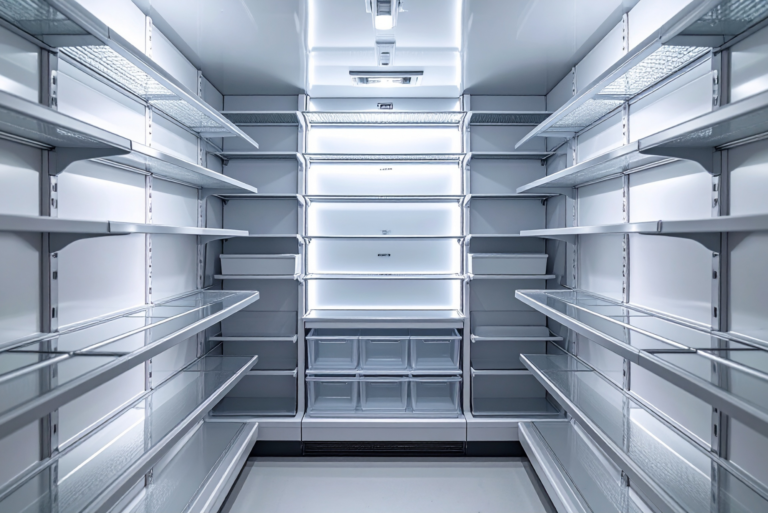
If you are standing in your kitchen right now staring at a thermometer that keeps climbing, you know exactly how stressful a warm cooler can be. Consequently, your inventory is at risk, and your bottom line is taking a hit every minute that passes. Most people ask, why walk in coolers stop cooling, and the answer usually involves a mix of airflow issues, mechanical fatigue, or neglected maintenance. Whether it is a frozen evaporator coil or a worn-out door gasket, identifying the culprit early is the key to avoiding total loss. At D Commercial Refrigeration, we have seen every possible scenario in the DFW heat. In this guide, we will walk you through the common causes of cooling failure and explain when it is time to call for professional walk in cooler repair to get your business back on track safely and efficiently.
When you walk into your storage area and notice the air feels “heavy” or humid, your first instinct is likely panic. However, understanding the mechanics can help calm the nerves. One of the primary reasons systems fail is due to dirty condenser coils. Because these coils are responsible for releasing heat, a layer of dust or grease acts as an insulator. Therefore, the heat stays trapped, and the system works twice as hard for half the result.
Furthermore, we often find that evaporator coils have iced over completely. This usually happens because of a faulty defrost timer or a blocked drain line. If the air cannot move through the coils, the temperature will inevitably rise. In addition to these mechanical issues, simple human error, like leaving the door propped open during a delivery, can overwhelm the system. While it seems minor, the influx of warm, humid North Texas air creates a massive moisture load that the unit wasn’t designed to handle all at once.
Sometimes, the issue is more internal. A refrigerant leak is a very common reason why walk in coolers stop cooling. If the levels are low, there isn’t enough medium to carry the heat away. Similarly, a failing compressor motor will make a clicking sound or a loud hum without actually cooling the space. In these cases, walk in cooler repair isn’t just a suggestion; it is a necessity to prevent the motor from burning out entirely.
Timing is everything in the food service industry. If you notice a strange smell, like burning plastic or a sweet, chemical odor, you should act fast. These are clear indicators of electrical shorts or refrigerant leaks. Moreover, if you see water pooling on the floor, it’s not just a slip hazard; it’s a sign that your drainage system is backed up or your unit is over-defrosting.
Moreover, frequent cycling—where the unit turns on and off every few minutes—is a cry for help. This “short-cycling” puts immense strain on the compressor. Consequently, waiting even a day to schedule walk in cooler repair could result in a much higher bill if the compressor fails. We always tell our clients in Fort Worth that a small repair today is significantly cheaper than a full system replacement tomorrow.
Operating a business in the DFW area means your equipment is fighting a constant battle against the humidity and high temperatures. Because our local climate is so demanding, DFW commercial refrigeration systems require a different level of attention than those in cooler climates. For instance, rooftop units are often baked in 100-degree sun, which means they are already starting from a disadvantageous thermal position.
In addition to the heat, the dust and pollen common in North Texas can clog filters and coils much faster than you might expect. Therefore, having a local partner who understands the specific challenges of DFW refrigeration service is vital. We don’t just look at the machine; we look at the environment it’s operating in to ensure it has the ventilation it needs to survive a Texas summer.
Before you pick up the phone to request walk in cooler repair, there are a few “sanity checks” you can perform. First, check the power. It sounds simple, but a tripped breaker or a loose plug is a common culprit. Second, inspect the thermometer. Sometimes the display is wrong, even though the air is cold. Use a secondary manual thermometer to verify the actual temperature inside.
Next, look at the door seals. If you can slide a dollar bill through the gasket while the door is closed, you are losing cold air. While this might not be the sole reason the unit is warm, it certainly contributes to the problem. If everything looks okay on the surface but the temp is still rising, then it is time to bring in the experts for a commercial refrigeration service Fort Worth TX business owners can rely on.
The best way to handle a repair is to prevent it from happening in the first place. Regular commercial refrigeration maintenance Fort Worth TX programs are designed to catch the small things—like a fraying belt or a slightly clogged drain—before they become catastrophic failures. During a maintenance visit, a technician will clean the coils, check the refrigerant levels, and ensure all electrical connections are tight.
Consequently, businesses that invest in routine care see a longer lifespan for their equipment. In fact, most manufacturers require proof of maintenance to honor warranties. Beyond the warranty, you’ll find that your energy bills are lower when the machine is running efficiently. A clean system doesn’t have to work as hard, which means more money stays in your pocket instead of going to the power company.
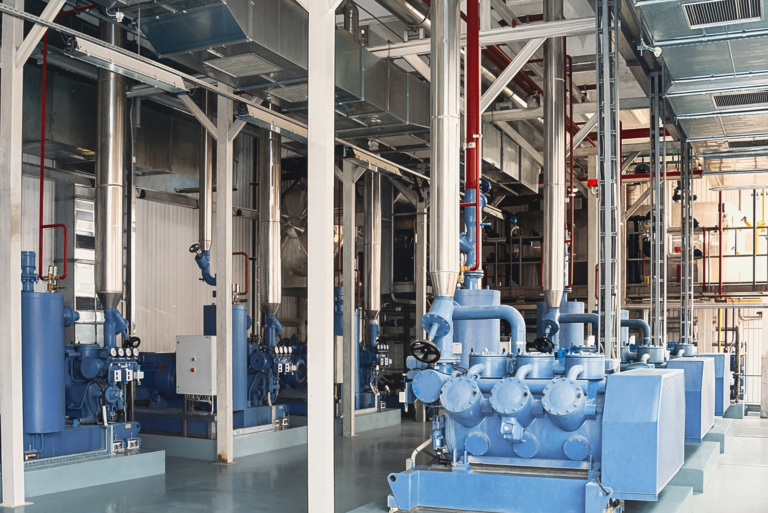
Not all cooling systems are created equal. If you are running a large-scale warehouse or a food processing plant, your needs fall under industrial refrigeration service Fort Worth TX standards. These systems are significantly more complex than a standard restaurant cooler. They often use different refrigerants and have much larger footprints, requiring specialized knowledge to service correctly.
Because industrial units move such high volumes of product, a breakdown can cost tens of thousands of dollars in an hour. Therefore, having a dedicated DFW refrigeration service provider who can handle large-scale glycol systems or massive rack systems is essential. We treat these high-stakes environments with the urgency they deserve, ensuring that your supply chain remains uninterrupted.
While we talk a lot about coolers, your freezers are just as critical. There are specific signs your commercial freezer is failing that you should never ignore. Frost buildup on the walls, for example, is a sign that moisture is getting in, usually through a bad seal or a door that doesn’t close properly. Additionally, if you notice “ice cream is soft” or frozen goods are developing crystals, the temperature is fluctuating too much.
When these signs appear, it often means the defrost heaters are struggling or the thermostat is losing its calibration. In these moments, you need commercial refrigeration repair Fort Worth TX experts who can diagnose the freezer’s specific components. Freezers operate under much higher pressure than coolers, so the margins for error are much smaller. If you see these signs, act immediately to save your frozen assets.
Running a business is hard enough without having to worry about your refrigeration failing. By understanding why walk in coolers stop cooling and keeping an eye out for the signs your commercial freezer is failing, you can stay ahead of the curve. Remember, your equipment is the heart of your kitchen or warehouse. Treat it well with regular commercial refrigeration maintenance Fort Worth TX, and it will serve you for years to come.
Are you currently dealing with a temperature spike or a noisy compressor? Don’t wait until your inventory spoils. If you need reliable walk in cooler repair in the DFW area, we are here to help. Our team at D Commercial Refrigeration has the tools and the experience to get your system back to peak performance today.

Providing expert commercial refrigeration services in Dallas Fort Worth Metroplex, Houston, and Austin TX businesses have trusted since 1998, we deliver tailored cooling and construction solutions with over 40 years of industry experience.